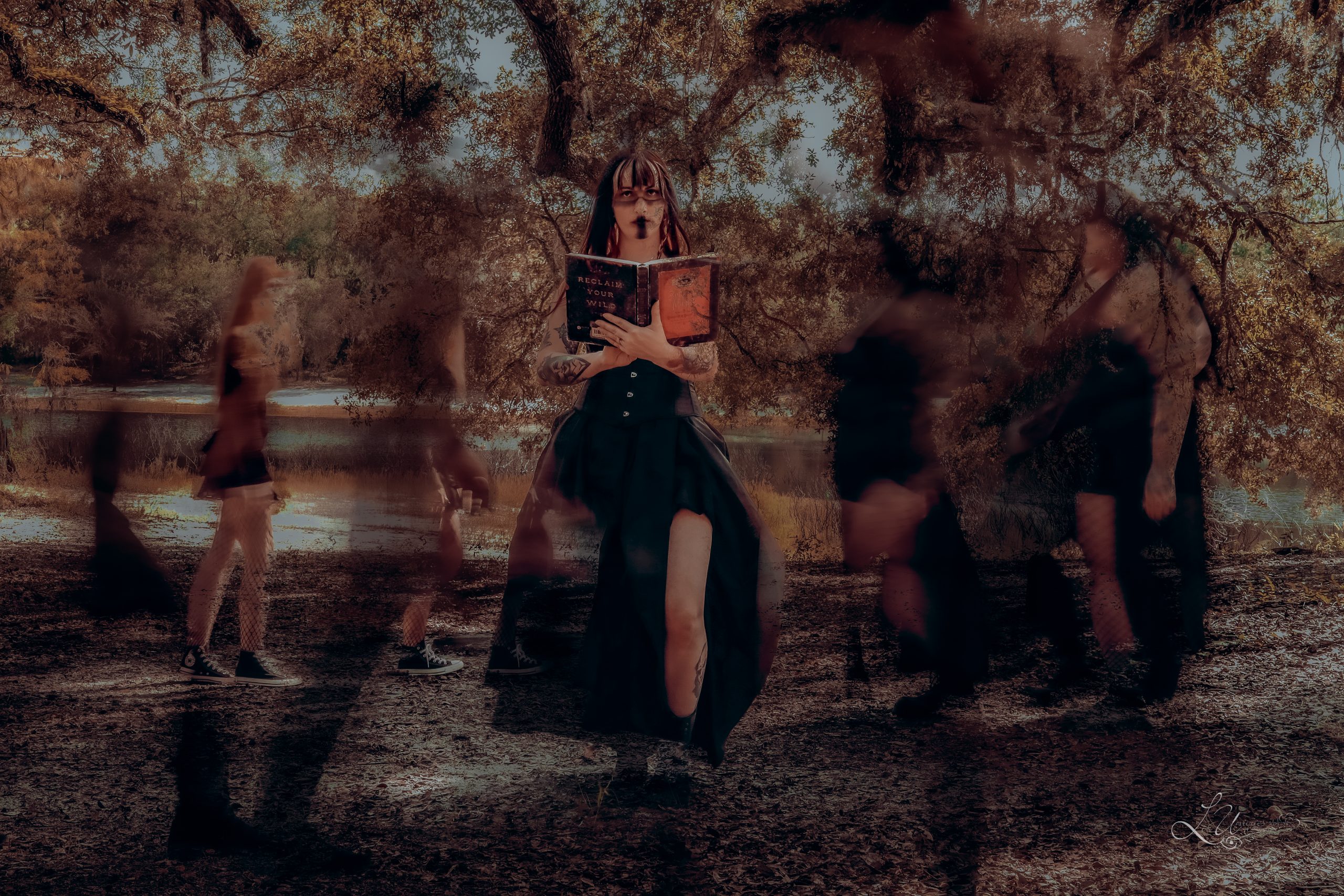
Why Remaining Original Still Matters
In a world where inspiration travels at the speed of a screenshot, originality has become both more difficult and more important than ever.
It’s easy to replicate an image.
It’s much harder to create a body of work that carries intention, voice, and meaning.
Originality isn’t about being the first person to photograph a subject, a location, or a mood. It’s about why the image exists in the first place. It’s about the choices made before the shutter is ever pressed. The story being told. The emotion being honored.
When work is created from a place of authenticity, it carries weight. You can feel it. It lingers longer than a trend, longer than a season, longer than an algorithm’s attention span.

The Difference Between Inspiration and Imitation
Every artist is inspired by something. That’s unavoidable and necessary.
But there is a clear line between inspiration and imitation, and that line is intention.
Inspiration asks:
What does this awaken in me?
How can I translate this through my own perspective?
Imitation asks:
How do I recreate this so it performs the same way?
One builds a voice.
The other borrows one.
Clients, collectors, and viewers may not always have the language for this difference, but they feel it instinctively. Authentic work resonates because it carries risk. It reflects lived experience, emotion, and personal vision rather than a formula.
When artists operate within the same local market, originality becomes more than an artistic value, it becomes a professional responsibility. Directly copying or closely imitating another creator’s signature style does more than blur creative boundaries; it interferes with their livelihood. A signature style is not accidental. It is built through intellectual labor, experimentation, and years of refinement, and it functions as both creative authorship and brand identity. When that visual language is replicated within the same geographic space, it creates market confusion and erodes client trust. At that point, imitation is no longer neutral. It becomes a form of creative infringement and a breach of business integrity.

Why Originality Matters to the Viewer
For the person on the other side of the camera, originality isn’t about novelty. It’s about trust.
When someone chooses an artist, they are choosing a perspective. They are placing their story, their body, their relationship, or their identity into someone else’s hands. Original work reassures them that they are being seen as an individual, not a template.
That trust is fragile. It’s built through consistency, integrity, and the willingness to create work that doesn’t chase approval.

Art That Endures Is Rooted in Intention
Trends pass quickly.
Algorithms shift.
Aesthetic cycles repeat themselves endlessly.
But work created with intention has longevity.
It becomes recognizable without needing explanation. It evolves naturally because it’s rooted in the artist rather than the market. It invites connection instead of comparison.
Remaining original is not the easiest path, but it is the most honest one.
And honesty, in art, always shows.

Choosing the Harder Path
Staying original requires restraint. It means resisting the urge to dilute your voice for reach, or to echo what is already being applauded. It means accepting that not everyone will understand the work immediately.
But those who do will recognize it instantly.
Originality is not loud.
It doesn’t need to announce itself.
It simply exists, unmistakable and unmoved.
And that is why it matters.
—
Liz Uniques Photography
